Interwoven Reward Dynamics in Developer-Led Contest Formats: A Closer Look
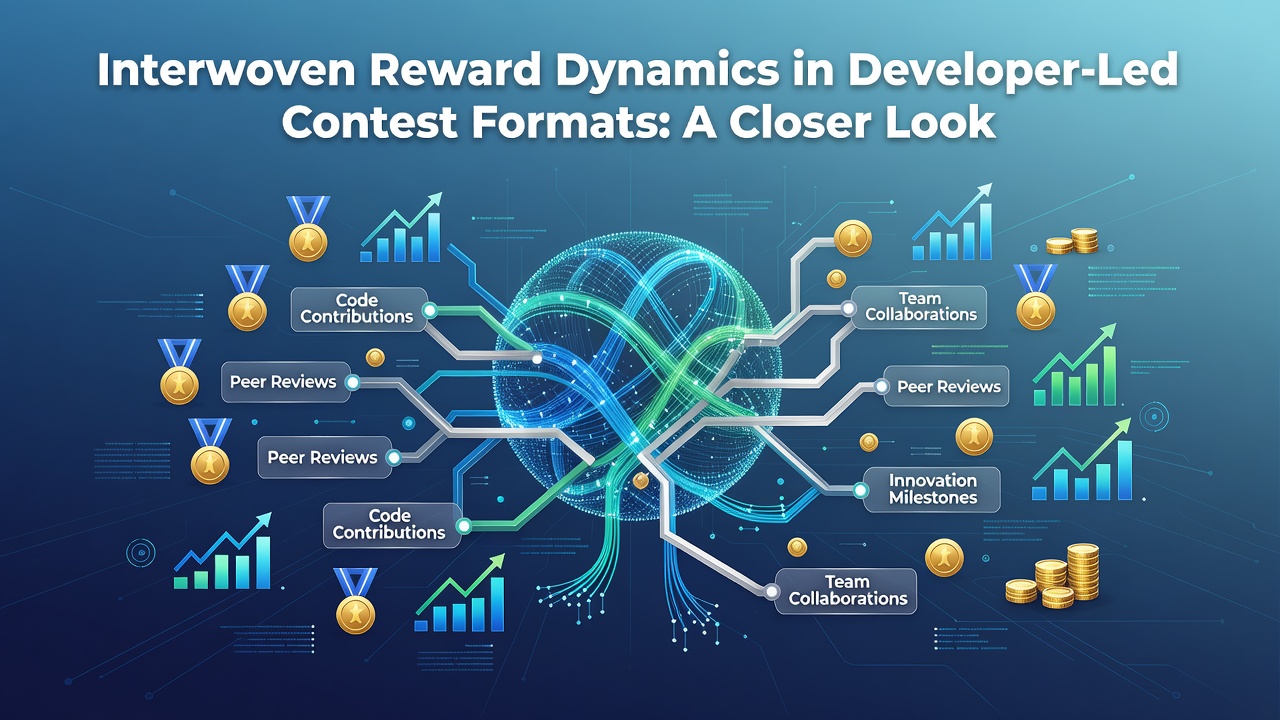
Developer-led contest formats have expanded across technology sectors since the early 2020s, creating environments where multiple reward layers operate at once, and cash prizes combine with skill certifications, networking access, and potential employment pathways. These systems function through interconnected mechanisms that allow participants to accumulate value from several sources during a single event cycle, while organizers track engagement metrics to adjust future incentive structures.
Core Components of Layered Reward Systems
Contest organizers structure rewards so that immediate monetary payouts link directly to longer-term professional benefits such as portfolio visibility on company platforms and invitations to follow-up projects. Data from industry reports shows that participants in these formats often receive base awards plus tiered bonuses tied to code quality scores or community feedback ratings, and the interaction between these elements produces cumulative outcomes that exceed isolated prize values. Research conducted by academic groups at technical universities indicates that such layering increases retention rates among repeat entrants by measurable margins when compared with single-reward events.
Mechanics of Interconnection
Reward pathways intersect when a developer earns a cash prize that automatically unlocks additional recognition badges which then feed into algorithmic recommendation engines used by hiring teams, and this process repeats across multiple contest rounds. Observers note that the timing of these unlocks matters because early-stage achievements can compound through visibility boosts that attract sponsor attention before the main event concludes. Figures from platform analytics in 2025 demonstrate consistent patterns where top performers collect both direct compensation and indirect career advancement opportunities within the same calendar quarter.
Regional Variations in Contest Structures
North American organizers frequently emphasize employment pipelines that connect contest results to interview fast-tracks at participating firms, whereas European formats tend to prioritize open-source contribution credits that carry formal weight in academic and grant applications. Australian government innovation programs have documented similar layered approaches in their developer challenges, where prize money pairs with mentorship access funded through public-private partnerships. These differences arise from local regulatory environments and labor market demands that shape how rewards distribute across participant groups.
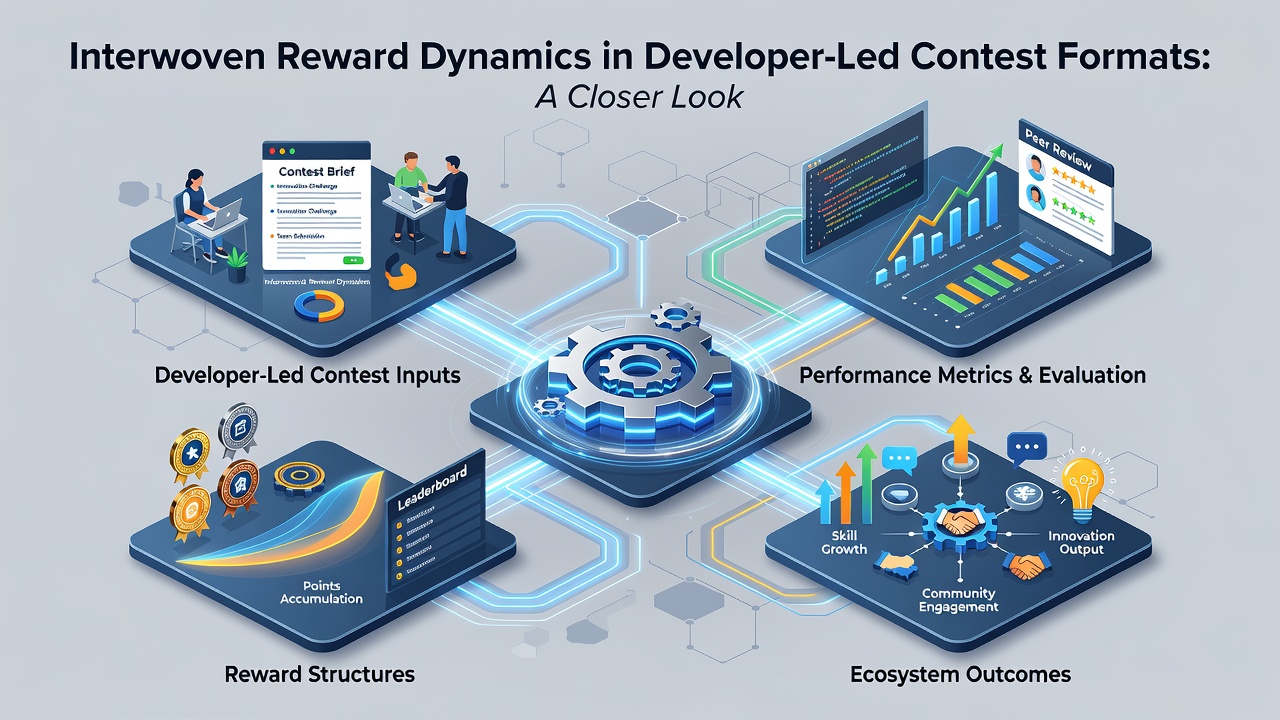
Platform data collected through 2025 reveals that contests running across multiple regions adjust their reward matrices to account for currency fluctuations and tax implications, which affects how participants perceive total value. One study tracking events from January through May 2026 found that integrated reward tracking systems reduced administrative overhead for organizers by streamlining payout and certification processes into unified dashboards.
June 2026 Developments and Platform Updates
Several major developer platforms announced expansions to their contest calendars in June 2026, introducing new tiers that allow partial reward redemption mid-event so entrants can access smaller certifications or micro-payments before final rankings finalize. These updates build on existing interconnection patterns by adding real-time feedback loops that display how current performance influences projected total rewards. Industry organizations tracking these changes report that the modifications align with participant requests for greater transparency in how individual achievements translate across reward categories.
Measurement Approaches
Analytics teams employ metrics that capture both direct outputs like submitted code volume and indirect effects such as increased profile views following contest participation. Longitudinal data sets compiled by research institutions show correlations between sustained involvement in interwoven reward systems and accelerated career progression for developers who maintain consistent activity across multiple events. The patterns hold across different experience levels, though entry barriers remain lower for those already embedded in active professional networks.
Integration with Broader Innovation Ecosystems
Developer contests increasingly serve as testing grounds for new tools and frameworks that later appear in commercial products, and reward structures often include equity stakes or licensing revenue shares when participant contributions scale into production environments. Reports from international bodies focused on technology transfer document cases where contest-derived solutions moved into wider deployment within 18 months of initial submission. The reward interconnections therefore extend beyond the contest boundary to influence ongoing intellectual property arrangements between contributors and organizing entities.
Platform operators continue refining algorithms that balance competitive pressure with collaborative elements, ensuring that team-based formats still deliver individualized reward tracking. This approach maintains engagement while accommodating varied participant preferences for solo or group participation modes.
Conclusion
Interwoven reward dynamics in developer-led contests represent a maturing approach to talent engagement that combines immediate incentives with extended professional pathways. Evidence gathered through platform records and independent studies confirms that these layered systems produce measurable effects on participation patterns and outcome distributions. As formats evolve through 2026 and beyond, the core mechanisms of interconnection remain central to how organizers design events and how participants navigate available opportunities.