Mapping Reward Layer Interactions in Video Reel Updates from Multiple Studios
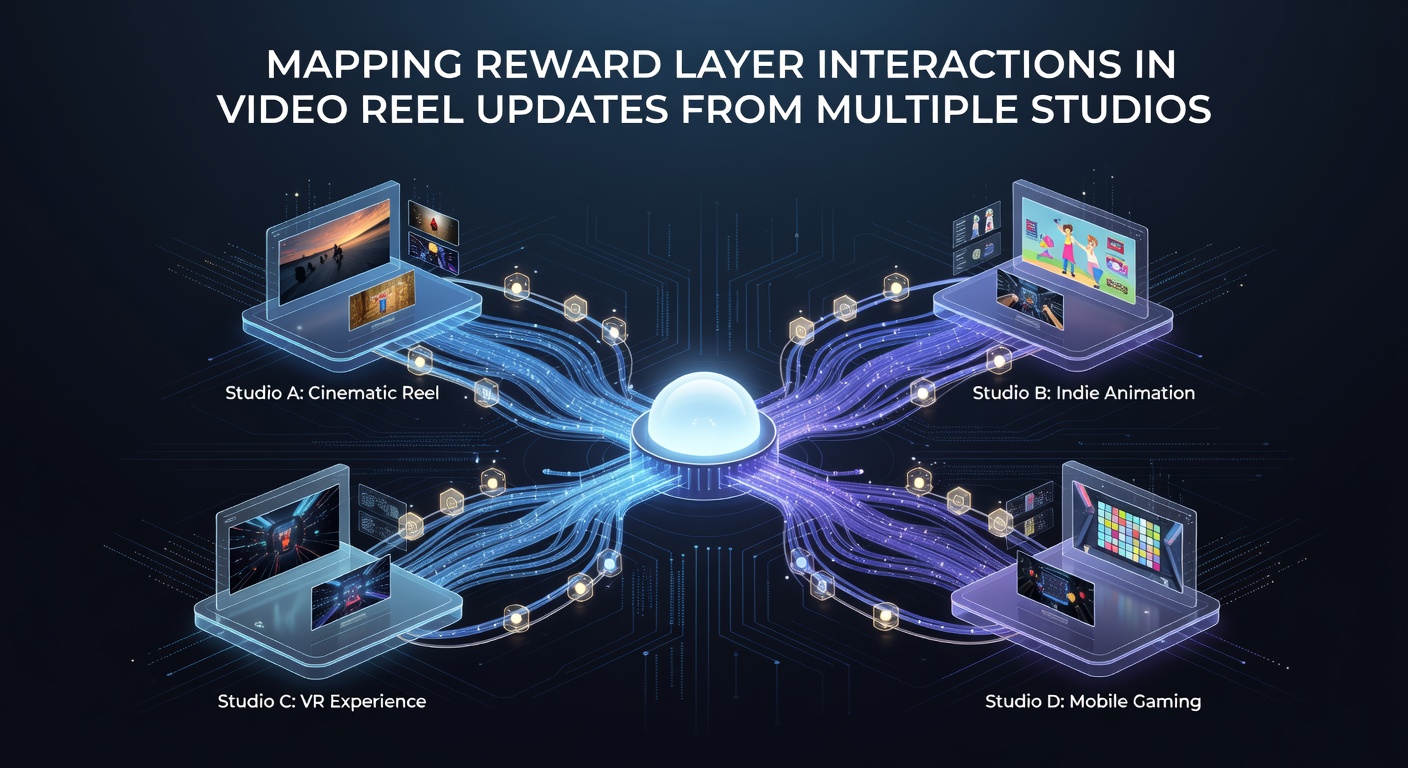
Video reel systems rely on layered reward structures that determine how base payouts, multipliers, and bonus triggers combine during gameplay, and updates from different studios alter these layers in ways that require systematic mapping to track interactions accurately. Researchers at institutions focused on digital entertainment design have documented how core reel mechanics interface with secondary reward overlays when new features roll out, particularly in environments where multiple development teams contribute sequential patches. Data from industry monitoring in early 2026 shows that studios coordinate release cycles around shared technical standards yet maintain distinct approaches to layer integration that affect outcome probabilities and player progression paths.
Core Components of Reward Layers
Reward layers operate as modular components stacked above primary reel spin logic, with each layer handling specific functions such as symbol substitution, win multiplication, or progressive accumulation. When one studio issues an update that modifies symbol frequency tables, adjacent layers from other studios that process those symbols must recalculate their outputs in real time. Observers note that these recalculations often involve conditional checks that reference both legacy code and newly introduced variables, creating dependency chains that span several update cycles. In May 2026, tracking tools deployed by analytics platforms revealed spikes in interaction complexity following coordinated releases from three major studios within a two-week window, as each patch introduced new conditional multipliers that referenced symbols altered in prior updates.
Cross-Studio Update Patterns
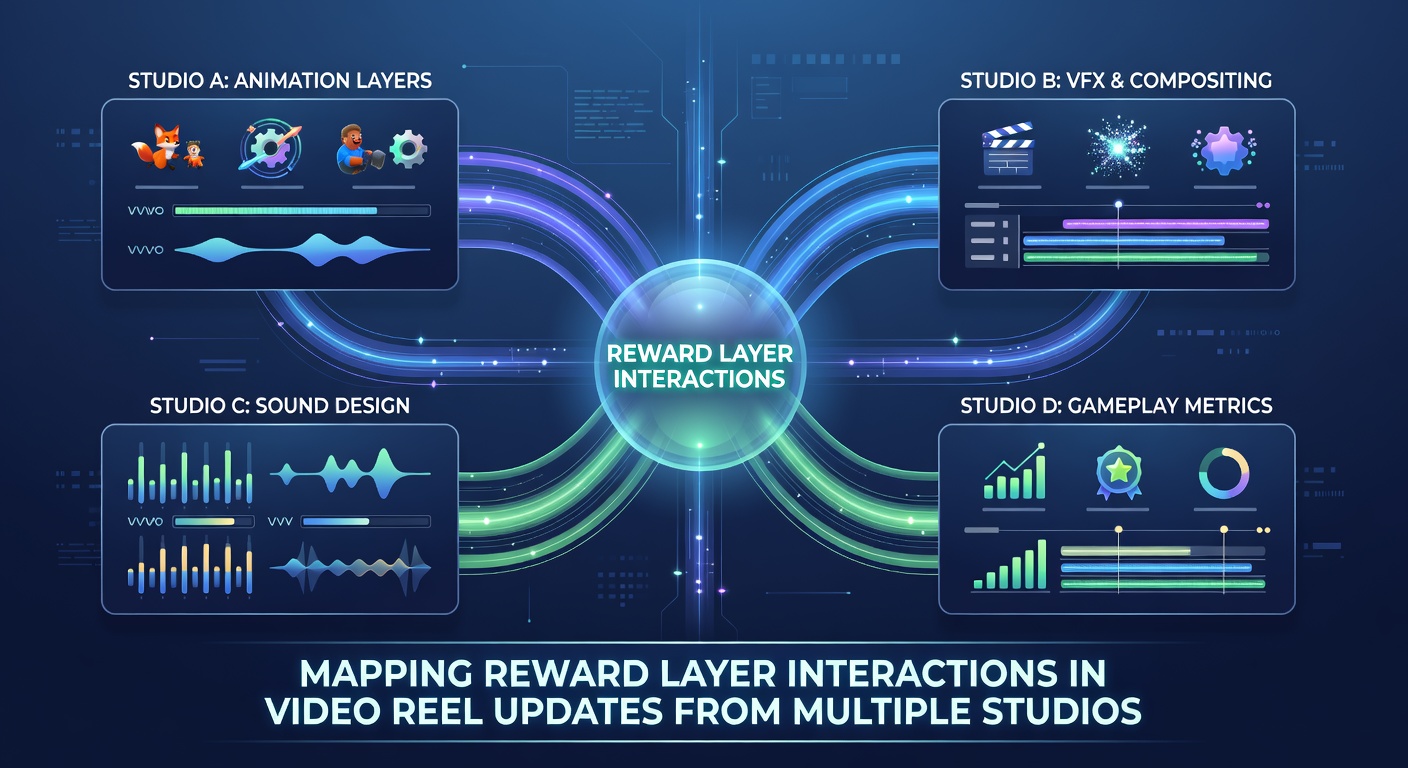
Multiple studios publish documentation that outlines how their reward layers respond to external changes, yet independent mapping efforts by third-party analysts uncover discrepancies between stated behavior and actual runtime interactions. One documented case involved a base game update that increased scatter symbol density, which then triggered unintended cascade effects in a separate bonus layer maintained by a different studio. These effects surfaced because the bonus layer applied its multiplier before the updated scatter logic completed its resolution sequence. Analysts compiled interaction matrices that list every known dependency, and the resulting maps show clusters of high-interaction points centered around shared random number generator outputs and persistent state variables that persist across reel spins.
Technical Mapping Methods
Developers and researchers employ graph-based representations to visualize reward layer dependencies, where nodes represent individual functions and edges capture data flows between layers. Automated scripts parse update logs and decompiled binaries to populate these graphs, highlighting cycles that indicate potential feedback loops. In practice, teams compare graphs generated before and after each update to isolate new interaction surfaces. Figures from a collaborative study released through an academic gaming technology consortium indicate that average graph complexity rose 27 percent between January and May 2026 as studios introduced asynchronous reward calculations that run on separate threads yet share memory buffers.
Integration testing environments simulate concurrent updates by loading multiple studio packages into a single runtime container. Testers execute exhaustive spin sequences while logging every reward calculation, then feed the logs into visualization software that color-codes interaction density. This process identifies edge cases where a reward layer from studio A overrides a state flag that studio B's layer expects to remain stable. Such overrides appear most frequently around bonus round entry points, where timing differences in flag clearing routines produce divergent payout sequences depending on update order.
Regulatory and Industry Data Sources
Regulatory bodies in several jurisdictions collect telemetry on game update impacts as part of compliance verification. The Nevada Gaming Control Board requires submission of updated probability tables whenever reward layers change, and these submissions include cross-reference notes that flag interactions with third-party modules. Similar requirements appear in documentation from the Australian Gambling Research Centre, which publishes aggregated findings on how layered reward modifications influence session duration metrics across different operator platforms. These sources provide raw datasets that external researchers use to validate their independent mapping models.
Practical Applications of Interaction Maps
Operators use the resulting maps during platform integration to predict how an incoming studio update will affect existing reward calculations. Maintenance teams prioritize testing sequences that cover the highest-density interaction zones first, reducing the window during which undetected conflicts could affect live deployments. In addition, mapping data supports version control practices that tag each layer with compatibility metadata, allowing automated systems to flag potential conflicts before patches reach production servers. Research papers presented at digital game engineering conferences in 2026 demonstrate that studios adopting systematic mapping reduced post-release hotfix counts by measurable margins compared with teams relying on ad-hoc testing alone.
Conclusion
Mapping reward layer interactions across video reel updates from multiple studios produces structured representations that capture dependencies, timing relationships, and data flows introduced by successive patches. These representations draw on graph analysis, simulation testing, and regulatory telemetry to isolate interaction points that affect payout logic. Continued refinement of mapping techniques aligns with teh increasing frequency of cross-studio updates observed through mid-2026, supporting more precise coordination between development teams and operators who integrate their releases.