Provider Networks Fueling Cross-Studio Reward Chains in Mobile Reel Contests
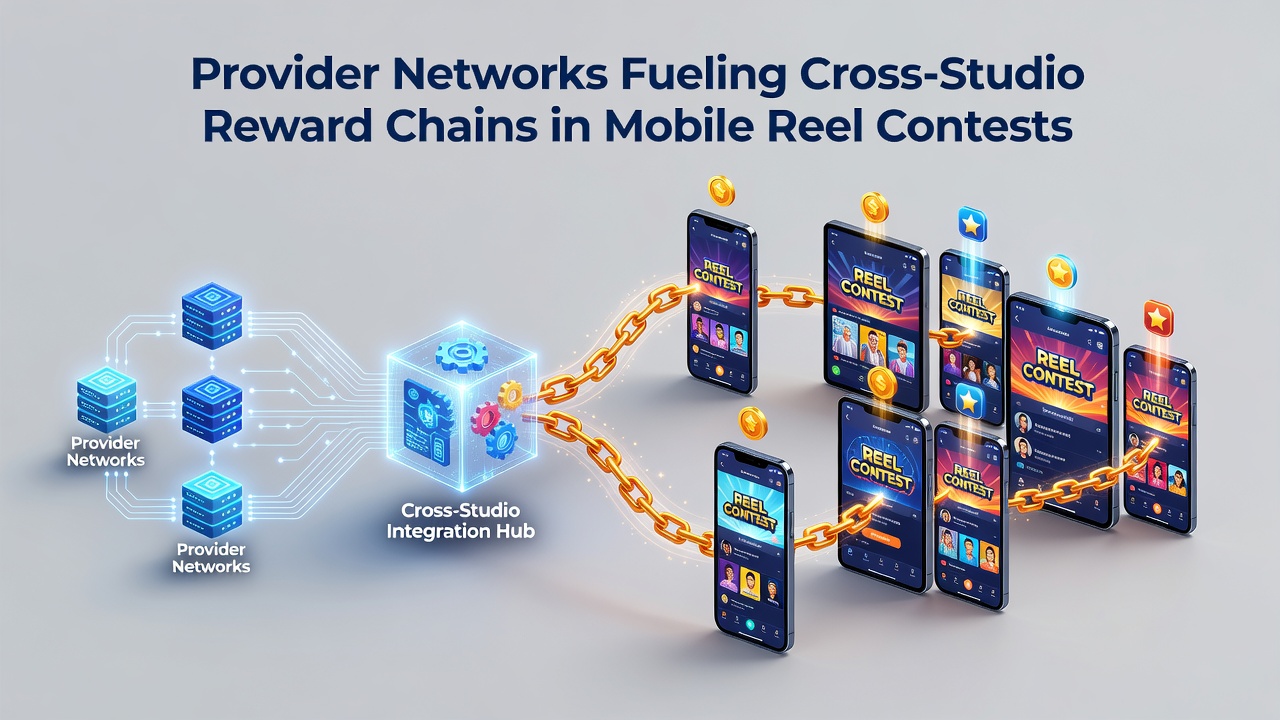
Provider networks have expanded their role in mobile reel contests throughout 2026 by linking separate studio systems into unified reward structures that allow players to accumulate value across different game libraries. These networks operate through shared APIs and data protocols that transmit progress metrics between competing developers while maintaining individual branding for each studio's titles.
Network Architecture Behind Cross-Studio Connections
Developers integrate their contest platforms with centralized network layers that track player actions in real time and convert those actions into transferable reward units. One network configuration routes data from a primary studio's reel mechanics directly into secondary studios' bonus pools and this routing occurs without requiring players to switch applications or reset progress indicators. Data from industry reports shows that such connections increased the average number of active contest entries per user by routing rewards across three or more studios simultaneously during the first half of 2026.
Observers note that these architectures rely on standardized token formats rather than proprietary currencies so that reward values remain consistent when transferred between platforms. The process begins when a player completes a reel sequence in one title and the network immediately logs the outcome then distributes fractional credits to linked contests hosted by other providers. This method reduces latency between actions and reward updates which keeps players engaged across multiple sessions within the same day.
July 2026 Developments in Mobile Contest Integration
By July 2026 several provider alliances had activated new cross-studio pathways that combined reel spin data from five major developers into single reward ledgers. These ledgers update every few seconds and display cumulative totals on unified mobile dashboards. Participants in these integrated contests receive notifications when their accumulated chain value reaches thresholds that unlock additional entries in partner tournaments and the notifications arrive through the same interface regardless of which studio generated the triggering spin.
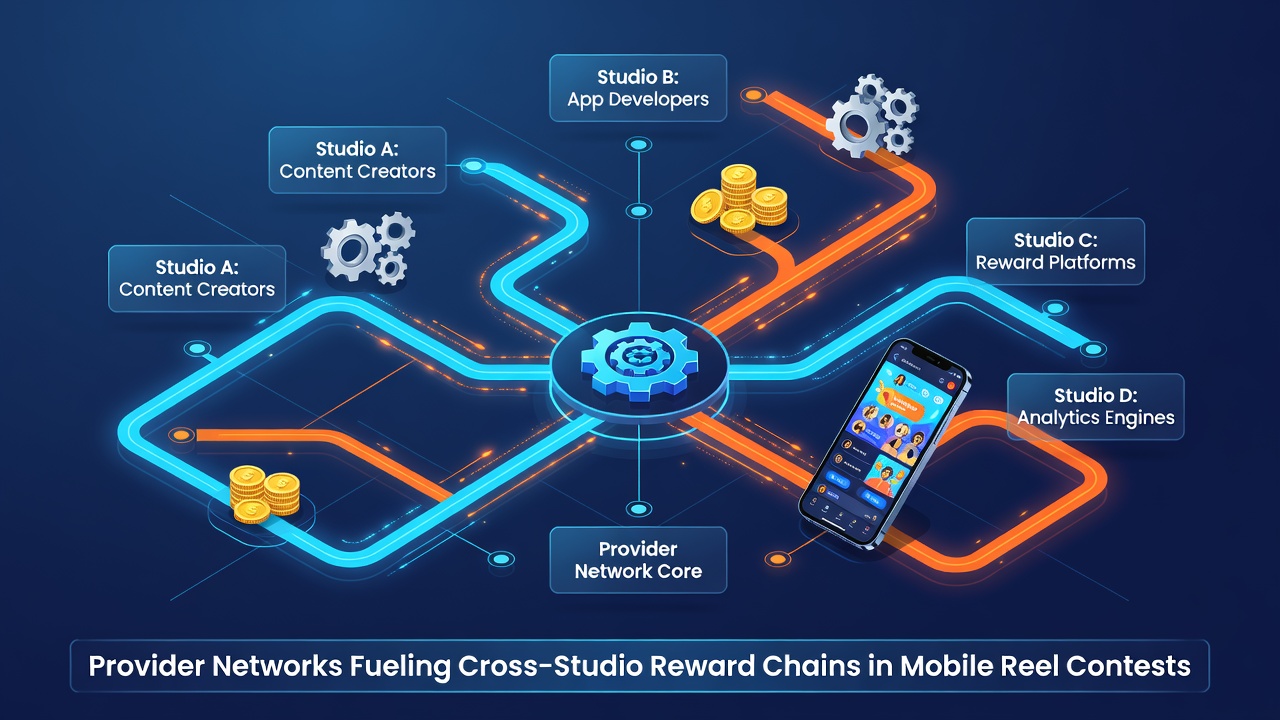
Analysts tracking adoption rates report that mobile users who accessed at least two linked studios during a single contest cycle showed higher retention across the network compared with users limited to one studio. The increase stems from the way reward chains create visible progress bars that span multiple game libraries and encourage continued play to complete the next segment of the chain. Network operators achieved this visibility by embedding shared progress trackers directly into each studio's mobile application while preserving the original visual style of every individual title.
Mechanics of Reward Chain Construction
Reward chains form when a player's reel outcome in one studio contributes a defined percentage toward a shared prize pool managed by the network. The remaining percentage comes from actions recorded in partner studios and the allocation percentages adjust automatically based on the volume of activity each studio records during a contest period. This dynamic adjustment prevents any single developer from dominating the reward distribution while still allowing high-volume titles to accelerate chain completion for active users.
Case examples from operational networks illustrate the flow: a sequence of matching symbols in a primary reel game registers as 40 percent of the required chain value and the remaining 60 percent accumulates from reel results in two additional studios. Once the full chain completes the network issues a consolidated prize that can be claimed through any participating application. This consolidation happens without manual intervention because the underlying protocols reconcile the distributed contributions in a single transaction record.
Regulatory Context and Data Transparency
Regulatory bodies in multiple jurisdictions have begun requesting detailed logs of how provider networks calculate and distribute cross-studio rewards. In the United States the Nevada Gaming Control Board has required participating operators to submit quarterly summaries that break down reward origins by studio and by contest type. Similar reporting expectations appear in Australian regulatory filings where operators must document the percentage of prizes that originate from multi-studio chains rather than single-studio events.
According to data published by the American Gaming Association mobile contest participation that utilized network-linked reward chains accounted for a measurable share of total session time in regulated markets during the spring of 2026. The figures reveal that these chains correlate with extended play durations because participants monitor progress across several titles instead of focusing on one game at a time.
Technical Standards Supporting Interoperability
Interoperability standards developed in early 2026 define the minimum data fields that each studio must expose to the network layer. These fields include spin outcome codes, timestamp markers, and player session identifiers while excluding personally identifiable information. Compliance with the standards allows smaller studios to join established networks without rebuilding their entire contest infrastructure and larger providers gain access to broader player bases through reciprocal reward routing.
Testing conducted by network administrators confirmed that latency remains below two seconds for reward updates even when data crosses three separate studio servers. The low latency results from edge caching of token values and asynchronous reconciliation processes that run in the background after each reel event. Players therefore experience near-instant updates to their cross-studio totals regardless of which title they currently have open on their device.
Conclusion
Provider networks continue to reshape mobile reel contest structures by creating persistent reward chains that span multiple studios. The technical connections established in 2026 enable seamless data flow between otherwise independent platforms and produce consolidated prize opportunities that reflect activity across the entire network. As additional studios adopt the required interoperability standards the reach of these chains is expected to expand further with updated reporting requirements ensuring continued transparency in how rewards accumulate and distribute.