Tracing the Evolution of Accumulating Prize Mechanisms Through Developer Innovations in Competitive Formats
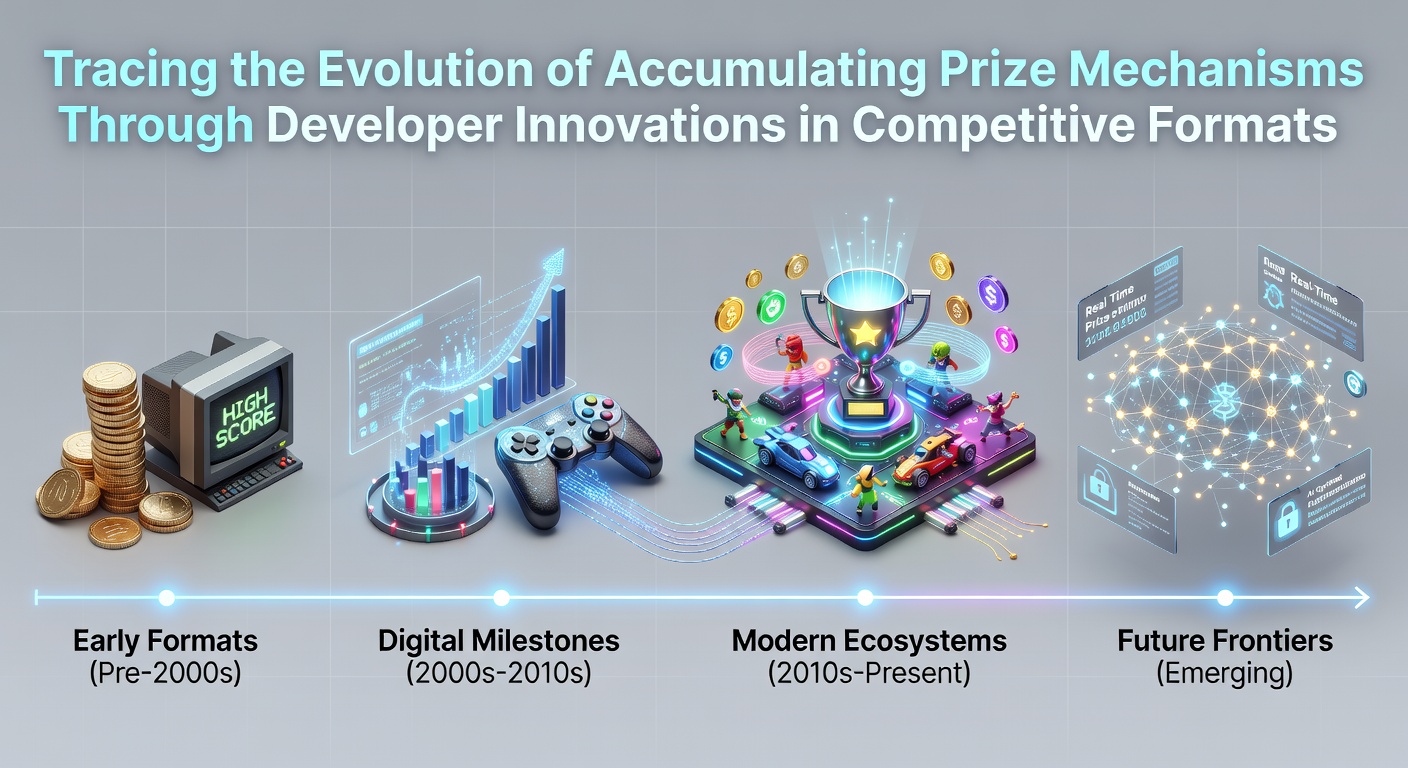
Developers began experimenting with accumulating prize mechanisms in the 1990s as online platforms expanded, creating systems where contributions from multiple participants fed into shared pools that grew until triggered by specific conditions in competitive events. These early formats combined elements of multiplayer challenges with progressive accumulation, setting foundations that later generations of software engineers refined through code optimizations and network integrations. Data from industry reports indicates that such mechanisms allowed prizes to scale dynamically based on player volume and wager activity, which encouraged sustained engagement across distributed user bases.
Foundational Developments in Prize Accumulation
Initial implementations relied on centralized servers that tracked contributions in real time, yet limitations in bandwidth and processing power restricted scalability during peak tournament periods. Engineers responded by introducing distributed ledger approaches in the mid-2000s, which distributed the calculation load and reduced downtime when prize thresholds approached activation points. Observers note that this shift coincided wth broader adoption of competitive ladder systems where rankings determined eligibility for portions of the accumulated funds, creating layered reward structures that appealed to both casual and dedicated competitors.
But here's the thing: hardware advancements in the following decade enabled finer control over accumulation rates, allowing developers to tie prize growth directly to performance metrics rather than simple participation counts. Studies conducted by research institutions revealed that these adjustments increased retention rates in formats where players competed head-to-head while simultaneously feeding a communal pot. Such innovations transformed static jackpots into fluid assets that reflected the intensity of ongoing rivalries.
Innovations Driving Competitive Integration
Software studios pioneered APIs that synchronized prize pools across different game variants, enabling seamless transitions between solo challenges and group tournaments without resetting accumulated values. This connectivity meant that a single competitive session could draw from and contribute to multiple overlapping mechanisms, heightening strategic depth for participants who tracked both personal scores and collective progress. Figures from the American Gaming Association highlight how these integrations expanded market reach into regions with varying regulatory frameworks by 2015.
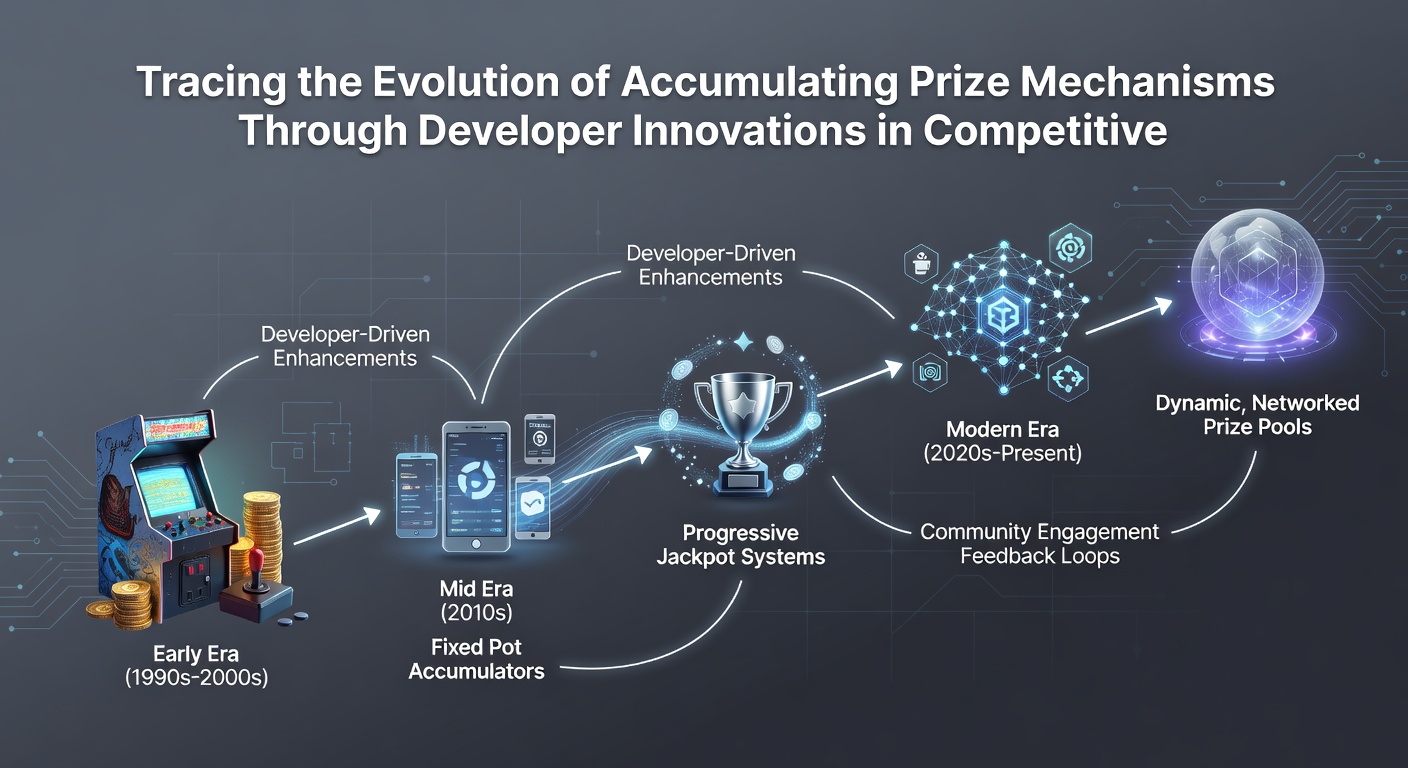
Turns out the real acceleration came when developers incorporated machine learning models to predict optimal trigger points for prize releases, balancing excitement with mathematical fairness across large participant groups. In May 2026 several platforms rolled out updated versions of these models that adjusted accumulation speeds based on historical tournament data from Asia-Pacific markets, where competitive formats have shown particular resilience. Researchers at institutions focused on digital entertainment documented corresponding rises in cross-border participation following these deployments.
Regulatory and Technological Influences on Growth
Government bodies in multiple jurisdictions, including the Nevada Gaming Control Board and Australia's National Broadband Network oversight entities, established guidelines that shaped how accumulating mechanisms operated within sanctioned competitive environments. These frameworks emphasized transparency in pool calculations and required verifiable audit trails, prompting developers to embed blockchain verification tools directly into their architectures. The result was a more robust infrastructure capable of supporting events that spanned continents while maintaining compliance across diverse legal landscapes.
What's interesting is the way mobile connectivity further refined these systems by introducing location-based multipliers that temporarily boosted contribution rates during regional tournaments. Participants in urban hubs often discovered enhanced prize growth tied to real-world gatherings, which in turn fed back into global pools. Industry organizations tracking these patterns report that such features helped sustain momentum through seasonal fluctuations in player activity.
Current Landscape and Emerging Patterns
Contemporary competitive formats now feature hybrid models where accumulating prizes split between immediate payouts and deferred rewards that carry forward to subsequent events. Developers continue refining algorithms that factor in player skill differentials, ensuring that accumulation remains attractive without disproportionately favoring top-ranked competitors. Evidence from academic analyses suggests these balanced approaches correlate with broader demographic inclusion in online tournaments.
And yet integration with virtual reality environments promises additional layers, where spatial interactions could influence how quickly pools expand during immersive sessions. Early tests conducted in controlled settings indicate potential for heightened immersion when prize indicators appear as dynamic environmental elements rather than static overlays. Those monitoring technological adoption note steady progress toward these capabilities throughout 2026.
Conclusion
The trajectory of accumulating prize mechanisms reflects consistent developer responses to both technical constraints and competitive demands, resulting in increasingly sophisticated systems that operate across global networks. Continued evolution depends on sustained collaboration between engineering teams, regulatory authorities, and platform operators who refine parameters to match shifting participation trends. As formats mature, the underlying innovations maintain focus on scalable accumulation that rewards collective and individual achievement alike.