Unraveling Symbol Cluster Effects on Multi-Studio Reward Pathways in Device-Based Contests
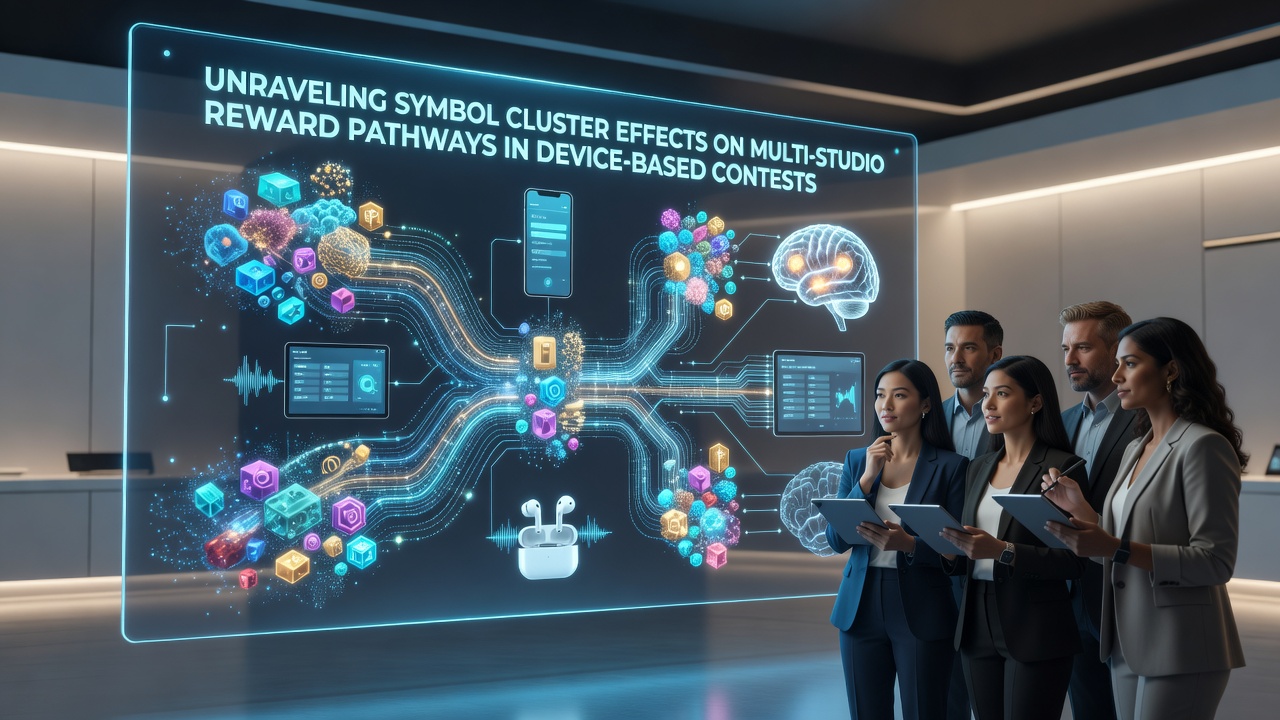
Symbol cluster effects in device-based contests involve patterns where visual or data elements group together on screens, and these groupings influence how rewards flow through systems maintained by several content studios at once. Observers note that clusters form when identical or related icons align in grids or sequences during live events, which then trigger specific reward calculations managed across different developer networks.
Device-based contests operate on mobile and tablet platforms where participants engage with interactive challenges supplied by multiple studios simultaneously. Research indicates that the density and positioning of these clusters determine which reward pathways activate first, creating layered outcomes that depend on real-time data exchanges between studios. Data from industry tracking shows participation in such contests grew notably through mid-2026 as device hardware improvements allowed faster cluster recognition.
Core Mechanics of Symbol Clustering
Clusters emerge through algorithmic rules that scan device displays for matching symbols in adjacent positions, and once detected they feed into centralized processing hubs shared among studios. Experts have observed that larger clusters often bypass standard reward tiers and access premium pathways maintained by secondary studios, while smaller groupings remain confined to primary reward streams. This differentiation arises because each studio programs distinct thresholds for cluster validation within the shared contest environment.
Studies conducted on contest platforms reveal that timing plays a central role, since clusters appearing during peak participation windows connect to expanded reward networks that incorporate contributions from additional studios. Figures released in July 2026 by regional gaming oversight bodies highlight how these timing variables affect overall distribution patterns across thousands of simultaneous device sessions.
Interactions Across Multiple Studios
Multi-studio reward pathways function as interconnected routes where one studio's cluster output can redirect resources toward another studio's incentive structures. According to reports from the Canadian Gaming Association, such cross-studio linkages have expanded since early 2026 because standardized data protocols now allow seamless transfer of cluster-derived values between competing developer environments.
People who analyze contest logs find that certain symbol types produce clusters with higher redirection potential, which means rewards originally calculated by one studio end up distributed through pathways owned by others. This redirection occurs without manual intervention because the underlying systems recognize cluster signatures and route them automatically based on pre-set agreements among the participating studios.
Device Platform Influences
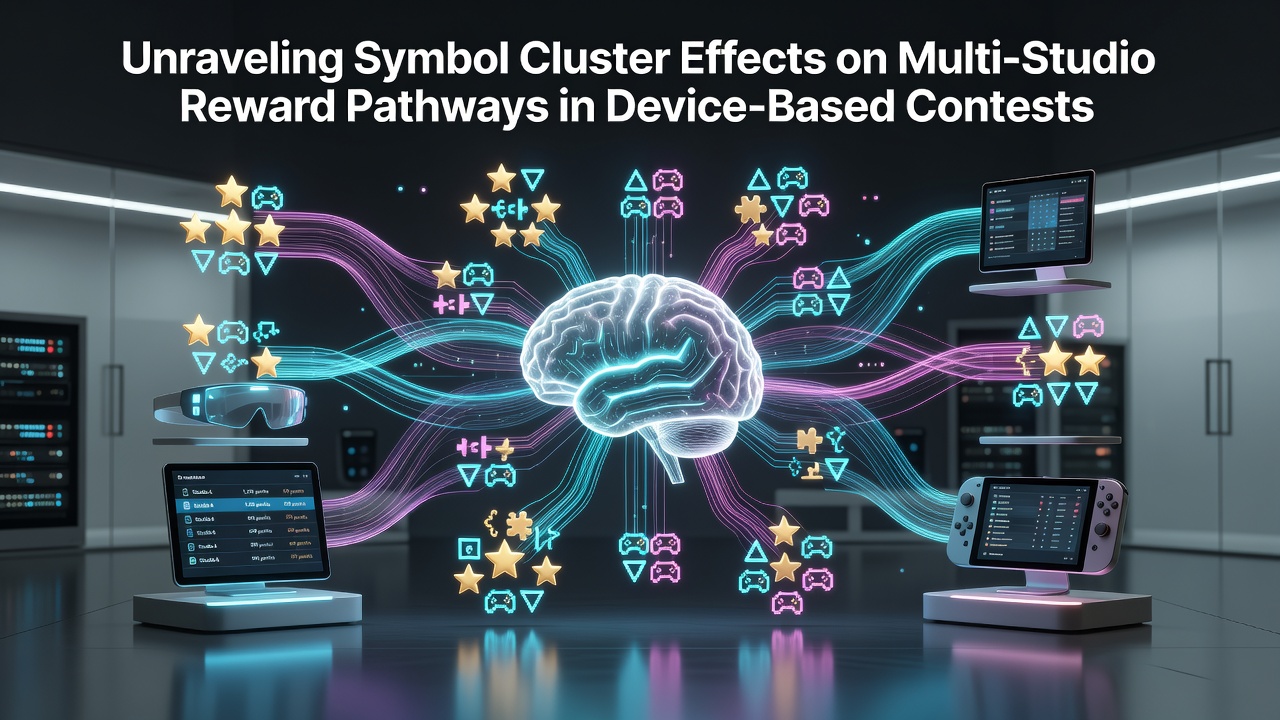
Hardware variations across devices affect cluster detection accuracy, and therefore alter how reward pathways respond in multi-studio setups. Tablets with higher resolution screens tend to register denser clusters compared with standard smartphones, which leads to different activation sequences depending on the equipment used by participants. Research from academic groups at European universities confirms that these hardware differences create measurable variations in reward outcomes during the same contest events.
Operating system updates introduced around July 2026 further refined cluster processing speeds on many devices, enabling more studios to participate in single contest instances without latency issues. The result appears in aggregated contest data showing increased pathway complexity as additional studios integrate their reward modules into shared device frameworks.
Observed Patterns in 2026 Contest Data
Contest records compiled through the first half of 2026 demonstrate that symbol clusters exceeding a certain size threshold consistently engage reward pathways spanning at least three separate studios. Smaller clusters stay within single-studio loops, yet they still contribute to overall system momentum that later supports larger multi-studio interactions. Analysts tracking these patterns note steady growth in the number of studios willing to link their systems because shared cluster data improves participation metrics across all connected platforms.
External verification comes from sources such as the Entertainment Software Association, whose industry summaries detail how device contest formats have adopted cluster-based mechanics to manage reward distribution among numerous contributors. Additional context appears in reports issued by Australian regulatory bodies monitoring digital entertainment competitions, which document similar cross-studio effects in device-driven events held during the same period.
Conclusion
Symbol cluster effects continue to shape reward distribution in device-based contests that draw content from multiple studios. The interactions between cluster formation, device capabilities, and interconnected pathways produce outcomes that depend on precise timing, hardware factors, and studio agreements. Data collected through July 2026 indicates these mechanisms remain central to how contests allocate rewards across expanding networks of participating developers.